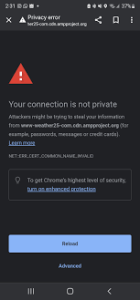
Sometimes when you’re trying to get your JSC results, the result server just doesn’t seem to work. It can be really frustrating, especially when you’re eager to see your scores. For many people who are new to this process, figuring out why the jsc result server not working solution is so tricky can be confusing.
Don’t worry, though! We’re going to walk through this together with simple, easy-to-follow steps to get you back on track. Get ready to find out what you can do next.
Key Takeaways
- You will learn common reasons why the JSC result server might not be working.
- You will discover simple troubleshooting steps to fix connection issues.
- You will understand how to check your internet connection and device settings.
- You will find out alternative ways to access your results if the main server is down.
- You will gain confidence in resolving technical problems with online services.
Troubleshooting JSC Result Server Issues
When the JSC result server isn’t working, it can feel like hitting a wall. Many factors can cause this, from simple network glitches to problems on the server’s end. Beginners often get stuck because they’re not sure where to start looking for the problem.
Is it their internet? Is it the website? Is it something with their computer or phone?
We’ll break down these common hurdles so you can identify the cause of the jsc result server not working solution and start fixing it.
Checking Your Internet Connection
The very first thing to check is your internet connection. If your internet is slow or not working at all, you won’t be able to reach any website, including the JSC result server. A weak Wi-Fi signal or a problem with your internet service provider (ISP) can cause this.
Sometimes, simply restarting your router can fix these issues.
- Test your internet speed: Use an online speed test to see if your connection is performing as it should. Slow speeds can make websites load very slowly or not at all.
A fast and stable internet connection is essential for accessing online services smoothly. If your speed test shows low download or upload speeds, you might want to contact your ISP or try moving closer to your Wi-Fi router.
- Restart your router and modem: Unplug both your router and modem from the power outlet. Wait for about 30 seconds, then plug them back in. Let them boot up completely, which can take a few minutes, and then try to access the server again.
This simple step often resolves temporary network issues that can prevent you from connecting to online services. It refreshes the connection between your devices and your ISP.
- Try a different device or network: If possible, try accessing the result server from another device, like a smartphone or tablet, using its mobile data. If it works on mobile data, the issue is likely with your home Wi-Fi network.
This helps isolate whether the problem lies with your specific device, your Wi-Fi setup, or the website itself. It’s a quick way to narrow down the possibilities.
Clearing Browser Cache and Cookies
Your web browser stores temporary data, like cache and cookies, to help websites load faster. However, sometimes this stored data can become outdated or corrupted, leading to issues when trying to access certain websites. Clearing this data can resolve problems when the jsc result server not working solution seems elusive.
- How to clear cache and cookies: The steps vary slightly depending on your browser (Chrome, Firefox, Safari, Edge). Generally, you’ll find this option in your browser’s settings or history menu, usually under “Privacy and Security” or “Clear browsing data.”
When you clear your cache, you’re removing temporary files that might be causing conflicts. Clearing cookies removes small pieces of data websites use to remember your preferences, but can sometimes cause login or loading issues.
- Impact on website performance: After clearing your cache and cookies, you might need to log back into websites you frequently visit. Some websites might also take a little longer to load the first time after clearing.
This temporary inconvenience is usually worth it if it resolves the problem of not being able to access the result server. It ensures you are getting fresh data from the website.
Checking Server Status
It’s possible the problem isn’t with your connection or device, but with the JSC result server itself. Servers can go down for maintenance, experience high traffic, or encounter technical difficulties. Knowing how to check the server status can save you a lot of frustration.
- Official announcements: Keep an eye on the official website of the examination board or educational institution responsible for the results. They often post announcements about server maintenance or issues.
Official channels are the most reliable source of information. They will let you know if the server is intentionally down for updates or if there’s an unexpected problem.
- Social media and forums: Sometimes, official announcements are also made on social media. You can also check educational forums or community groups where students might be discussing similar issues.
These community platforms can provide real-time updates from other users experiencing the same problem, offering insights into whether it’s a widespread issue.
- Server status checker tools: While not always available for specific exam result servers, some general website status checkers can indicate if a website is down for everyone.
These tools ping the website from multiple locations to see if it’s accessible. If these tools report the site is down, it confirms the issue is not on your end.
Advanced Troubleshooting Techniques
If the basic steps haven’t solved your jsc result server not working solution problem, we can try some more advanced methods. These techniques involve looking at your device’s network settings or trying different ways to connect.
DNS Issues and Flushing
DNS, or Domain Name System, is like the internet’s phonebook. It translates website names (like www.yoursite.com) into IP addresses that computers understand. If your DNS settings are incorrect or outdated, you might have trouble reaching certain websites.
Flushing your DNS cache can resolve these issues.
- What is DNS: Every device on the internet has an IP address, which is a series of numbers. Websites also have IP addresses. When you type a website name into your browser, the DNS server finds the corresponding IP address for that website.
Think of it as looking up a person’s name in a phone book to find their phone number. Without DNS, you would have to remember the IP address for every website you visit, which is practically impossible.
- How to flush DNS:
- Open the Command Prompt as an administrator on Windows.
- Type
ipconfig /flushdnsand press Enter. - You should see a message confirming the DNS resolver cache was flushed.
- On macOS, open Terminal and type
sudo dscacheutil -flushcache; sudo killall -HUP mDNSResponderand press Enter. You will need to enter your administrator password.
Flushing the DNS removes old entries from your computer’s DNS cache. This forces your computer to fetch fresh DNS information the next time you try to access a website, which can resolve connectivity problems.
- Changing DNS servers: Sometimes, the default DNS servers provided by your ISP can be slow or unreliable. You can try changing to public DNS servers like Google DNS (8.8.8.8 and 8.8.4.4) or Cloudflare DNS (1.1.1.1 and 1.0.0.1).
Using faster, more reliable DNS servers can sometimes improve your browsing speed and reduce errors when accessing websites.
Proxy Server and VPN Conflicts
Proxy servers and Virtual Private Networks (VPNs) can sometimes interfere with your ability to connect to certain websites. They work by routing your internet traffic through a different server, which can sometimes cause connectivity issues or block access to specific services.
- What are Proxies and VPNs: A proxy server acts as an intermediary between your device and the internet. A VPN encrypts your internet traffic and routes it through a server in a location of your choice, masking your IP address.
While both can enhance privacy and security, they can also introduce layers that might prevent direct access to some online services if not configured correctly. They can sometimes be the reason for the jsc result server not working solution.
- Disable temporary proxy/VPN: If you are using a proxy server or a VPN, try disabling it temporarily and then attempt to access the JSC result server again.
This is a quick test to see if the proxy or VPN is the source of the problem. If disabling it allows you to connect, you’ll know that’s where the issue lies.
- Check proxy settings: If you must use a proxy, ensure its settings are correct. Incorrect proxy server addresses or port numbers will prevent you from connecting.
The settings for a proxy server are provided by the proxy service itself. If these details are wrong, your connection will fail.
Firewall and Antivirus Interference
Your computer’s firewall and antivirus software are designed to protect you from online threats. However, they can sometimes be overly cautious and block legitimate websites or services, including the JSC result server. This can be another reason the jsc result server not working solution is needed.
- How firewalls work: Firewalls monitor incoming and outgoing network traffic. They decide whether to allow or block specific traffic based on a set of security rules.
Think of a firewall as a security guard at the entrance of your computer. It checks everyone and everything trying to get in or out, and only allows approved traffic through.
- Temporarily disable firewall/antivirus: As a troubleshooting step, you can temporarily disable your firewall and antivirus software. Make sure to re-enable them immediately after testing to maintain your security.
If you can access the result server with them disabled, you’ll know they were the cause. You can then look into their settings to allow access to the specific website.
- Add an exception: Most firewall and antivirus programs allow you to add exceptions for specific websites or applications. You can try adding the JSC result server’s website address to your firewall’s “allowed list.”
This tells your security software that this particular website is safe and should not be blocked, solving the conflict.
Alternative Access Methods
When the primary JSC result server is unavailable, having alternative ways to get your results is very helpful. These methods can bypass the overloaded or temporarily down main server.
SMS Result Services
Many examination boards offer an SMS service for checking results. This method is often quick and bypasses the need for internet access to a potentially busy server.
- How SMS services work: You typically send a specific SMS message format to a designated number. This format usually includes your roll number and exam code.
For example, you might send a message like “JSC
- Finding the SMS format and number: These details are usually announced by the education board along with the result publication date. Check the official website or newspapers for this information.
It is crucial to get the format exactly right. Even a small typo can result in an error message or no response.
- Example scenario: If the exam code is ‘101’ and your roll number is ‘123456’, you might send ‘JSC 101 123456’ to a number like 16222.
This approach is highly reliable because it uses the mobile network’s infrastructure, which is usually more stable than web servers during peak times.
Mobile Apps
Some educational boards or third-party providers develop mobile applications that allow students to check their results. These apps might have their own servers or ways of accessing data that are less prone to common web server issues.
- Download and installation: Search for the official app from your country’s or region’s app store (Google Play Store for Android, App Store for iOS).
Ensure you download the app from a trusted source to avoid malicious software. Look for apps published by the official examination authority or reputable educational organizations.
- Using the app: Once installed, you’ll typically need to enter your roll number, registration number, and other required details to view your results within the app.
These apps are designed for user convenience and often offer features like result saving or sharing.
Regional Websites or Portals
In some cases, results might be accessible through regional educational portals or websites that aggregate information from various schools or districts. These might have a different server infrastructure.
- Identifying these portals: Look for official government education websites or recognized educational news portals. They often provide links to result access points.
These portals might serve specific geographic areas or types of schools, offering a potentially less congested way to access the information you need.
- Verification is key: Always ensure the website is official and trustworthy before entering your personal details.
Unverified sites could lead to data phishing or misinformation. Stick to known and trusted sources for your results.
Common Myths Debunked
Myth 1: The server is always down because of too many students
While high traffic can contribute to server issues, it’s rarely the sole reason. Servers are designed to handle large volumes of users. If a server is consistently failing under normal load, it usually indicates underlying technical problems, poor optimization, or insufficient server capacity rather than just too many students.
Myth 2: If one website doesn’t work, all result servers are down
This is not true. Different educational boards or even different departments within a board might use separate server systems. If one specific result portal is down, others might be functioning perfectly fine.
It’s important to confirm the exact source of the results you are trying to access.
Myth 3: Clearing browser cache will delete my personal data from the website
Clearing your browser’s cache and cookies only removes temporary files and site data stored on your computer. It does not delete your personal information or exam records from the actual website’s database. You might need to log in again, but your data remains safe on the server.
Myth 4: Using a VPN will always help access a down server
A VPN can help if the server is blocked in your specific region or if your ISP is having routing issues. However, if the server itself is completely offline or experiencing technical failures, a VPN won’t magically bring it back online. It routes your traffic differently, but it doesn’t fix server-side problems.
Frequently Asked Questions
Question: Why can’t I access the JSC result server at all
Answer: You might not be able to access the JSC result server due to issues with your internet connection, problems with your browser’s cache, or the server itself might be temporarily down for maintenance or experiencing high traffic. Checking these common areas first is key to finding a solution.
Question: How long does it usually take for a server to come back online
Answer: The time it takes for a server to come back online varies greatly. If it’s scheduled maintenance, it might be a few hours. If it’s an unexpected technical issue, it could take longer.
Checking official announcements is the best way to get updates.
Question: Can I get my results offline if the server is not working
Answer: Yes, often you can. Many education boards provide alternative methods like SMS services, which allow you to get your results without needing internet access. Mobile apps or printouts from schools can also be options.
Question: Is it safe to use third-party websites to check results
Answer: It’s generally best to use official websites or services provided by the examination board. Third-party sites might be unreliable, slow, or even unsafe, potentially exposing your personal information. Always verify the source.
Question: What should I do if I see an error message
Answer: Error messages often provide clues. Note down the exact message. You can then search for the specific error online or check if the education board has a support page that explains common error codes and their solutions.
This can help pinpoint the problem.
Final Thoughts
When the JSC result server isn’t working, remember there are many simple steps to try. Check your internet, clear your browser data, and see if the server is officially down. If these don’t work, explore SMS services or official apps.
You can find your results with a little patience and these practical solutions.