It can be a little tricky to check your exam results in Bangladesh when you don’t have your registration number handy. Many students, especially those new to the process, find this common situation confusing. Don’t worry though!
It’s totally normal to misplace or forget these details sometimes. This guide will walk you through a simple, step-by-step way to find your results easily. We’ll cover exactly what you need to do so you can get your results without any hassle.
Key Takeaways
- Understand why checking results without a registration number can be a challenge.
- Learn the official methods available for result verification in Bangladesh.
- Discover alternative ways to access your academic outcomes.
- Get tips on what to do if you still face difficulties.
- Be prepared with the necessary information before you start.
Checking Exam Results Without Your Registration Number BD
Accessing your exam results is a crucial step for students. In Bangladesh, the education system often requires specific identification numbers for result verification. One such number is the registration number, which is unique to each student and helps in pinpointing their exact academic records.
However, it’s a common scenario for students to misplace or forget their registration number, especially when they need to check their results quickly. This situation can lead to frustration and a feeling of being stuck. This section will explore why this happens and how you can still get your results.
The Role of the Registration Number
The registration number is a primary identifier issued by educational boards or institutions. It serves as a key to your academic profile. When you log into result portals or submit a request for your mark sheet, this number is often the first piece of information sought.
It ensures that the correct student’s information is retrieved from a vast database. Without it, the system has difficulty identifying you among thousands of other students. This is why most official result portals are designed to require it.
For instance, imagine a large university with hundreds of thousands of students. If you just asked for “John Smith’s result,” the university wouldn’t know which John Smith you mean. The registration number acts like a unique barcode for each student, making identification precise and efficient.
This is standard practice in many countries for educational and administrative purposes to maintain accuracy and prevent errors.
Common Challenges for Beginners
Beginners often face challenges because they are not yet familiar with the administrative procedures of their educational board or institution. They might not know where to find their registration number on official documents like admit cards or student ID cards. The result checking websites themselves can also be a bit overwhelming with various fields to fill.
Forgetting this number at the last minute, perhaps when results are announced, adds to the pressure. This lack of prior experience makes the process seem much harder than it actually is.
Sometimes, students only receive their registration number once and it might be printed on documents they don’t frequently access. Think about a student who just completed their SSC exams and is now looking for their results to plan for higher studies. If they’ve lost or discarded their admit card, finding that registration number can be an immediate hurdle.
This is why knowing alternative methods is so important.
Official Channels and What to Expect
Educational boards in Bangladesh, such as the Board of Intermediate and Secondary Education (BISE) Dhaka, Rajshahi, Comilla, etc., typically provide online portals for checking results. These portals are the most reliable source of your academic information. However, as mentioned, they usually require your registration number.
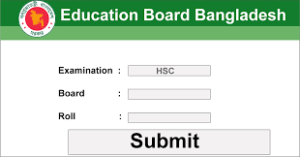
When you visit these sites, you’ll see fields for your exam name, year, board, roll number, and registration number. Your roll number is another identifier, but it’s often used in conjunction with the registration number for a complete match.
For example, the e-Board results website (e-boardresults.com) is a common portal for checking results from various boards. When you select your board and exam, you’ll be asked to input both your roll and registration numbers. This confirms your identity and retrieves your specific result.
If you are missing one of these, you cannot proceed directly through this official channel.
The statistics show that a significant number of students search for ways to check results without registration numbers each year. This indicates a widespread issue that many face. Understanding the official process, even with its requirements, is the first step to finding solutions.
Finding Your Registration Number: The First Step
Before we explore methods to bypass the registration number, it’s essential to try and locate it first. Often, the registration number is available on documents that students receive at various stages of their academic career. It’s always best to check these sources before assuming it’s lost forever.
This approach is the most direct and guarantees you can access your results through the official, most reliable channels.
Where to Find Your Registration Number
Your registration number is typically printed on several important documents. The most common ones include:
- Admit Card for your examinations. This is usually the primary document where your registration number is clearly stated.
- Student ID Card. Many educational institutions issue ID cards that contain the student’s registration number.
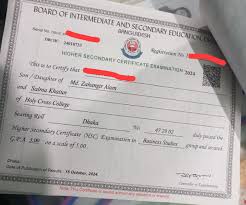
- Academic Certificates or Mark Sheets. Previous result sheets or certificates from the same board might have your registration number printed on them for future reference.
- Registration Card/Form. Sometimes, a separate card or form is issued specifically for registration purposes.
Let’s consider a practical example. Sarah took her Higher Secondary Certificate (HSC) exams. She remembers receiving an admit card and a registration card from her college, which was affiliated with the Dhaka Education Board.
When she needed to check her results, she searched her files and found her admit card, which clearly showed her roll number and her registration number. By using both on the e-boardresults website, she successfully accessed her detailed mark sheet. This shows the importance of keeping these documents safe.
It’s worth noting that different examination bodies might use slightly different terms or formats for these documents, but the registration number itself is a standard piece of information.
What If You Still Can’t Find It
If, after thorough searching, you still cannot locate your registration number on any of your documents, do not despair. There are still avenues to explore. The next steps involve contacting the relevant authorities or seeking assistance from your educational institution.
They are the best resources for re-issuing or confirming your registration details.
For instance, if you are a student of a particular college or university, the administrative office or the examination department is the first point of contact. They maintain student records and can usually retrieve your registration number by verifying your identity through other means, such as your full name, father’s name, mother’s name, date of birth, and perhaps your admission number or roll number.
Contacting Educational Institutions
Your school, college, or university administration is a primary resource. They have access to the official records submitted to the examination boards. You can visit the administrative office and explain your situation.
They will likely ask for some personal details to identify you in their system. These details usually include your full name, father’s name, mother’s name, and possibly your admission year or class.
For example, if you are a former student of Dhaka College, you would go to their records department. They would search their database using your name and other identifying information to find your registration number. They might then provide you with a letter or a printout of your registration details, which you can then use to check your results online.
This process might take a few days, so it’s best to do this as soon as possible.
Reaching Out to Examination Boards
If your institution cannot help, or if you are a private candidate who directly registered with the board, you will need to contact the specific examination board. Each board has a student support or examination department that handles such queries. You will likely need to fill out a form requesting your registration number details and may need to provide supporting identification.
For example, if you took your SSC exams under the Chittagong Education Board and cannot find your registration number, you would visit or contact the Chittagong BISE office. They have procedures for students who have lost their registration details. This might involve submitting a formal application with photocopies of your national ID or birth certificate.
The board will then verify your details and provide you with the necessary information, possibly for a small fee. This process ensures that the correct student receives their information and maintains data integrity.
How To Check Result Without Registration Number BD Officially
While directly checking results without a registration number through most official portals isn’t possible, there are official methods that indirectly help. These methods involve obtaining your registration number or using alternative official channels that might have slightly different requirements. The key is to understand that the system is designed for verification, and your registration number is a crucial part of that verification.
Using Your Roll Number and Other Details
In some specific cases or for certain types of results, your roll number might be sufficient, or you might be able to find your registration number using your roll number as a starting point. Some older result systems or specific result publications might allow checking by roll number alone, especially if the list is a simple publication rather than an interactive portal. However, this is becoming less common for official online checks.
Consider a scenario where an examination board publishes results in a downloadable PDF file. These files are often large and contain results for thousands of students. While you can search within these PDFs using your roll number, finding your registration number might still be difficult if it’s not prominently displayed or if you don’t know its format.
However, if you can find your name and roll number, you can then try to cross-reference with other documents or contact your institution to get the registration number.
The e-Board Results Website and Its Limitations
The e-Board Results website is the official portal for most education boards in Bangladesh. As previously mentioned, it typically requires both roll and registration numbers for a detailed result check. This is a security feature to ensure data privacy.
If you are missing the registration number, you cannot proceed with the detailed result check on this platform.
However, sometimes, the website might show preliminary results or summaries if you can input enough correct information. But for a full mark sheet or grade sheet, the registration number is generally indispensable. The purpose of this stringent requirement is to prevent unauthorized access to sensitive academic records.
It ensures that only the student or someone with explicit permission can view the results.
Alternative Official Publications
In some instances, examination boards might publish results in newspapers or in a downloadable PDF format on their website, which can be searched. While these methods may not always ask for the registration number directly on the search interface, they are essentially providing raw data lists. To find your specific entry, you would still need to know your roll number and then visually scan or search the document for your name and details.
For example, after the JSC (Junior School Certificate) exams, results are often published in daily newspapers. Students can find their roll number in the newspaper and then locate their result. While this is an official way to see if you passed, it doesn’t provide a detailed mark sheet and might not even display the registration number.
The primary goal here is often just to confirm the pass/fail status. Statistics from local newspapers indicate that hundreds of thousands of students rely on this method for a quick check.
Unofficial Methods and Their Risks
While focusing on official channels is always recommended, some unofficial methods or third-party websites might claim to offer result checking without a registration number. It’s important to be cautious when using such platforms, as they often come with significant risks. These risks can range from data privacy concerns to inaccurate results.
Third-Party Websites and Apps
There are numerous websites and mobile applications that claim to help students check their results. Some of these might be legitimate aggregators that collect publicly available result data and present it in a user-friendly format. However, many others can be unreliable.
They might display outdated information, incorrect results, or even be fronts for phishing scams.
Imagine a student desperate to check their results immediately after an exam. They might come across a website that promises quick results with just their name and roll number. If they provide their details, the website might use this information for marketing purposes, sell it to data brokers, or use it to bombard them with unwanted advertisements.
This is why extreme caution is advised.
Data Privacy and Security Concerns
When you use unofficial websites or apps, you are often sharing your personal academic information with parties that are not regulated or accountable to the educational authorities. This raises serious concerns about data privacy and security. Your registration number, roll number, name, and other details are sensitive pieces of information that should be protected.
For example, a cybercriminal could create a fake result-checking website. They would then entice students to enter their details. Once collected, this data could be used for identity theft, fraudulent activities, or even blackmail.
The risk is that these platforms might not have the security infrastructure to protect your data, leading to potential breaches. Official websites, on the other hand, are designed with robust security measures to safeguard student information.
Accuracy of Information
Another significant risk with unofficial sources is the accuracy of the results. These platforms may not have direct access to the official examination board’s databases. They might be relying on outdated information, manually entered data, or data scraped from unreliable sources.
This can lead to students receiving incorrect information about their performance, which can have serious consequences for their academic planning.
Suppose a student checks their result on an unofficial site and sees they have passed, only to later find out from the official source that they failed. This could lead them to make wrong decisions about further studies or career paths. The discrepancy can be very damaging.
It’s always best to rely on official channels to ensure the accuracy of your academic results.
Common Myths Debunked
Myth 1: You can always check results with just your name and roll number on any website.
This is a common misconception. While some very basic result lists might be searchable by name and roll number, official online portals and detailed mark sheets almost always require the unique registration number for verification. Many unofficial sites might claim this, but they often lead to inaccurate information or security risks.
Official bodies use the registration number to ensure data integrity and prevent misuse of academic information.
Myth 2: All third-party result-checking apps are safe and reliable.
This is far from true. The digital landscape is filled with apps that can be malicious. While some aggregator apps might be helpful, many others can compromise your data, display incorrect results, or flood your device with spam.
It’s crucial to verify the credibility of any third-party application by checking reviews, developer information, and privacy policies before using them to check sensitive academic information like exam results.
Myth 3: If you lose your registration number, you can never check your results.
This is a myth. As discussed, while it presents a challenge for direct online checking, it is not an insurmountable obstacle. Your educational institution or the examination board itself can provide you with your registration number or alternative ways to verify your results.
The process might require a bit more effort and time, but it is usually possible to obtain your result information through official support channels.
Myth 4: Checking results online is the only way to get your mark sheet.
This is not entirely accurate. While online checking is the most convenient and fastest method, it’s not the only one. Official mark sheets or certificates are often physically distributed through educational institutions or can be obtained directly from the examination board.
In situations where online access is problematic, these traditional methods remain valid and reliable ways to get your official academic documents.
Frequently Asked Questions
Question: Can I check my result without registration number for SSC/HSC exams in Bangladesh?
Answer: Officially, most online portals require your registration number. However, you can try finding it on your admit card or contact your institution. Some newspapers might also publish results by roll number only.
Question: What if I don’t have my admit card? Where else can I find my registration number?
Answer: Your registration number might be on your student ID card, previous mark sheets, or a separate registration card issued by your institution. You can also contact your school or college administration.
Question: Are there any websites that show results using only my name and roll number?
Answer: Some unofficial websites may claim to do this, but they are often unreliable and can pose security risks. Official results require verification, typically including the registration number, on sites like e-boardresults.com.
Question: What should I do if my educational institution can’t find my registration number?
Answer: If your institution cannot help, your next step is to contact the specific examination board directly. They maintain student records and can assist you in retrieving your registration details.
Question: How long does it usually take to get my registration number from the board if I apply for it?
Answer: The timeframe can vary depending on the board and the volume of requests. It might take a few days to a couple of weeks. It’s best to inquire about the estimated time when you submit your application.
Final Thoughts
Checking your results without a registration number in Bangladesh is possible, though it requires patience and following the right steps. Always try to find your registration number on official documents first. If that fails, contact your educational institution or the examination board for assistance.
While unofficial methods exist, prioritize official channels for accuracy and security.